Reading IES and LDT data beyond peak candela
A practical framework for comparing distribution, cut-off, spacing and vertical illumination while keeping room geometry in view.
View resource frameworkLighting knowledge, tested in context
Our work connects optical behavior, thermal conditions, driver performance and installation realities so that a product claim can become a defensible project decision.
“Useful lighting evidence is not a list of maximum values. It is a traceable explanation of how a luminaire behaves in the room, on the task and throughout its service life.”
That principle shapes how we organize technical resources and project conversations. A lighting designer needs distribution data that behaves predictably in calculation software. An electrical engineer needs unambiguous control and power information. A contractor needs mounting and access details that survive contact with the ceiling. A facility team needs serviceability assumptions that remain visible after handover.
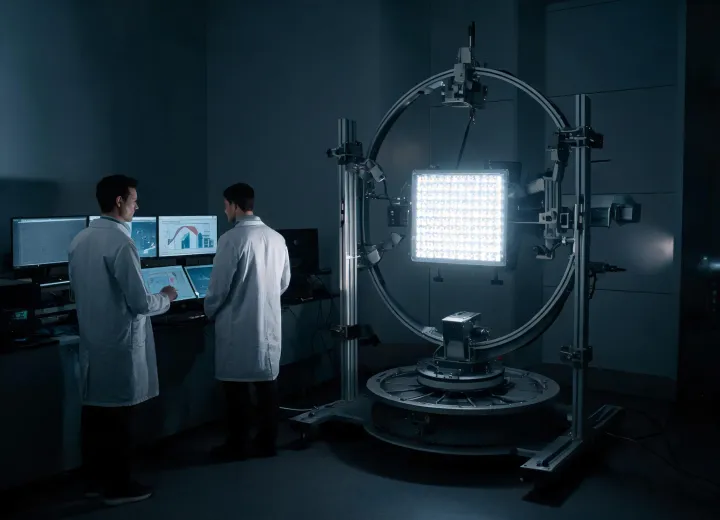
Candela curves, beam shape and spacing behavior are considered together, helping teams understand where output goes rather than relying on a lumen total alone.
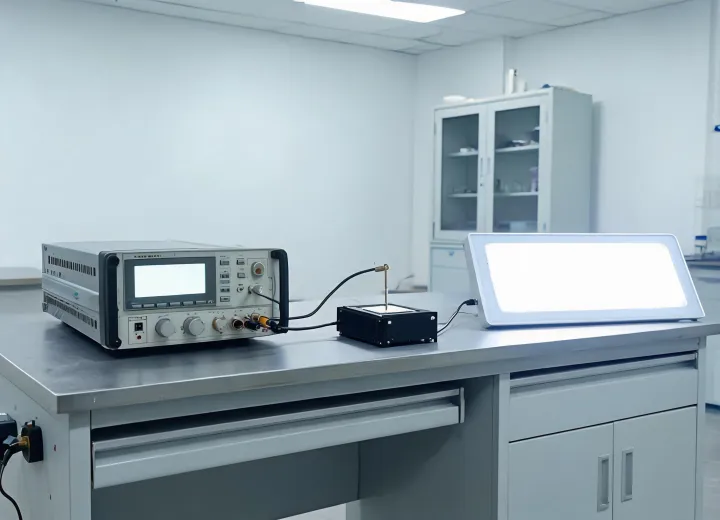
Electrical behavior, thermal management and dimming interfaces are evaluated as connected factors because a luminaire and driver operate as one system in the field.
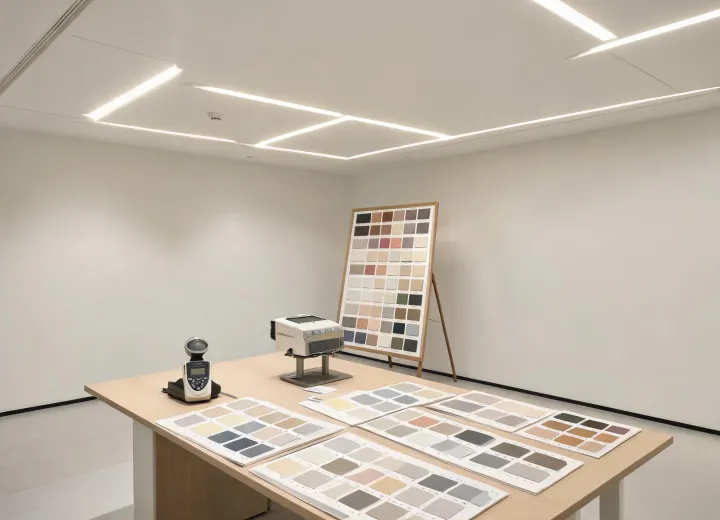
Glare, modeling, surface brightness and color quality become easier to discuss when calculations are paired with an observed application environment.
A practical framework for comparing distribution, cut-off, spacing and vertical illumination while keeping room geometry in view.
View resource frameworkWhy a single efficacy number cannot resolve every office, retail or healthcare lighting decision.
Read technical perspectivesQuestions that keep DALI-2 and 0-10V intent aligned across specification, installation and controls setup.
Review support stagesOur specification team can help identify the product evidence and coordination questions needed for a rigorous review.
Consult a lighting specialist